
Tile Roofing
How to Choose New Spanish Clay Roof Tiles in Fort Myers, FL
Published
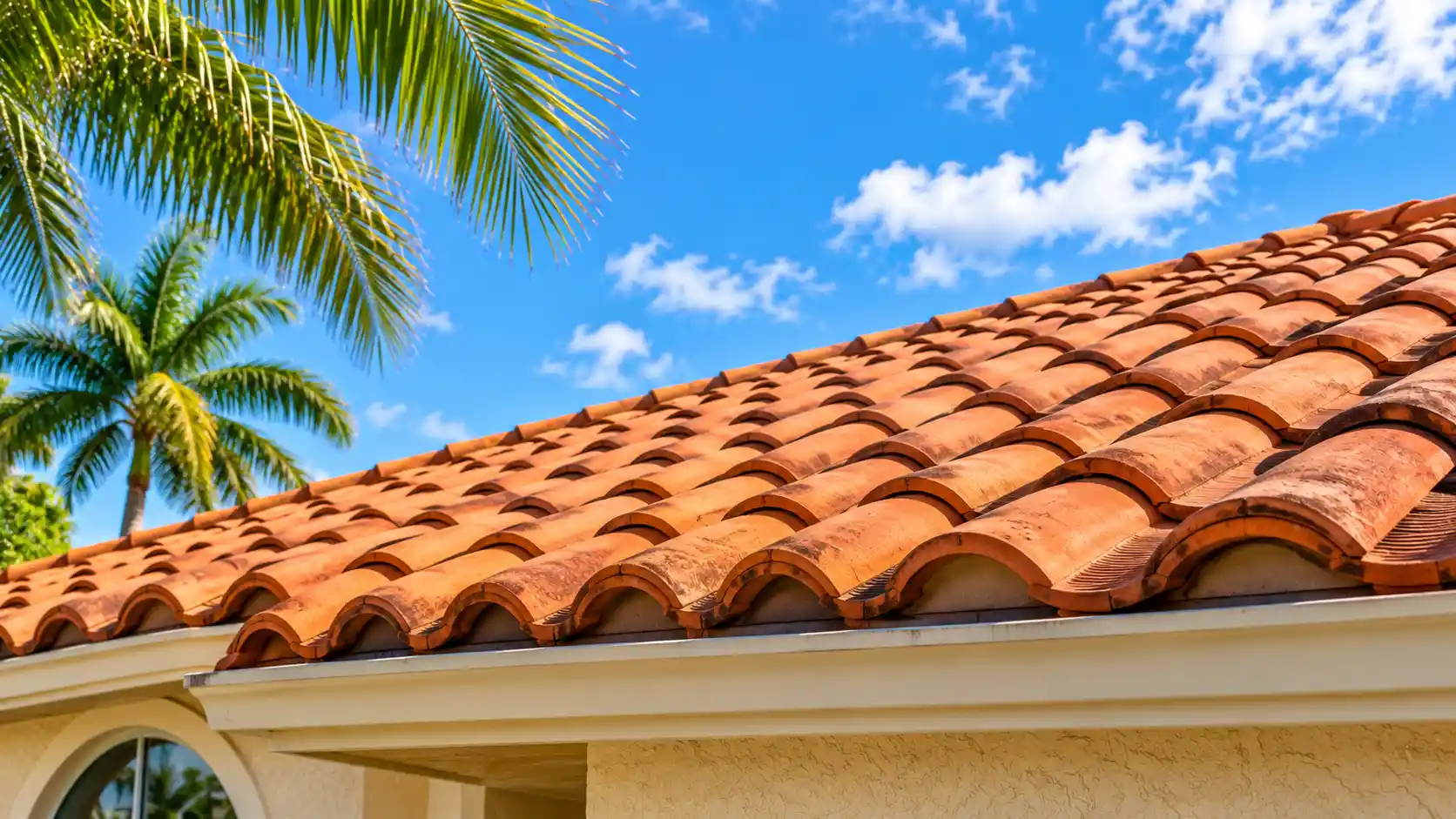
Drive down McGregor Boulevard or through any older Fort Myers neighborhood and you’ll spot them fast. Orange-red tile roofs, some faded, some darkened with age. Spanish tile has been part of Southwest Florida building for a long time, and plenty of homeowners still want it.
Picking new Spanish clay roof tiles in Fort Myers is a bigger call than picking a color, though. The look is the easy part. Weight, wind, water, and who installs it are where the real decisions sit.
Quick answer: To choose new Spanish clay roof tiles in Fort Myers, start with your roof structure, since clay is heavy. Then pick a profile (S-tile or barrel), check the wind rating for Lee County, and plan for proper underlayment and fastening. Hire a licensed tile contractor to inspect and install.
Why choose new Spanish clay roof tiles in Fort Myers?
Clay tile suits the stucco and Mediterranean style common in Southwest Florida, and fired clay doesn’t rust or rot. It also costs more up front than most roofing and it’s heavy, so it isn’t right for every house.
Here’s the part people skip. Tile is made from clay that’s been fired hard, so the color runs through it and the surface holds up to Florida sun. Salt air near the coast doesn’t eat at it the way it can eat at some metals. A well-installed clay tile roofing system can also shed a lot of heavy rain, which Lee County gets plenty of from June through fall.
But the tile is only half the roof. Underneath sit the deck, the underlayment, the flashing, and the fasteners. Those hidden layers do most of the work when a storm comes through. A beautiful tile on a sloppy install is still a bad roof.
If you want to see how we approach this kind of work, our Spanish tile roofing page covers it in more detail.
What’s the difference between S-tile and barrel tile?
S-tile is a one-piece tile with a wave shape, like a flattened letter S. Barrel tile (often called mission tile) is a half-round shape, usually laid as two pieces: a pan on the bottom and a cover over the seam. S-tile goes on faster. Barrel tile takes more labor and has a deeper, more traditional look.
Most people can tell the two apart from the street once someone points it out. S-tile has a softer, rolling line. Barrel tile has strong, defined rows with shadow between them.
Which should you pick? Honestly, look at your house first. A low, wide stucco home with arched windows often looks right with barrel tile. A simpler roofline can look great in S-tile. Your roof’s pitch and shape matter too, since some profiles don’t suit very low slopes.
A good tile roofer will lay a few sample tiles on your roof or show you a finished job nearby. Colors look different in sunlight than they do in a showroom.
Is clay or concrete tile better for a Fort Myers roof?
Neither wins every time. Clay has a classic, natural look and the color is fired into the material. Concrete tile is usually cheaper and comes in many profiles that imitate clay. Both are heavy, and both need a roof built to carry them.
Here’s a simple side by side.
| Feature | Clay tile | Concrete tile |
|---|---|---|
| Material | Fired clay | Cement, sand, and water mix |
| Look | Classic terracotta, authentic Spanish style | Many shapes, often made to resemble clay |
| Color | Natural color throughout the tile | Pigment added, can fade differently over time |
| Upfront cost | Usually higher | Usually lower |
| Weight | Heavy, varies by profile | Heavy, varies by profile |
| Foot traffic | Can crack if walked on wrong | Can crack too |
| Best fit | Homeowners who want the real thing and have the budget | Homeowners who want the tile look for less |
Weight deserves a real number before you sign anything. Ask the manufacturer for the weight per square of the exact tile you’re considering.
Can my roof structure hold a clay tile roof?
Sometimes yes, sometimes it needs work first. Clay tile is much heavier than asphalt shingles, so the rafters or trusses and the roof deck have to be able to carry the load. If your house was built for shingles, a roofer or engineer should check it before you order anything.
Here’s what an inspection looks at. The deck, for rot or soft spots. The rafters or trusses, for size, spacing, and condition. Any past water damage, because wet wood doesn’t hold fasteners well.
Some tile systems also use battens. These are strips of wood or metal fastened across the roof to hold the tile off the deck and give it something to hang on. Whether your roof needs battens depends on the tile and the installation method.
If the structure needs reinforcing, that’s added cost. Better to hear it now than after the old roof is already off.
When is clay tile the wrong choice?
Clay tile isn’t a fit if your roof structure can’t carry the weight and reinforcing costs too much, if the budget is tight, or if your roof has a very low slope. In those cases, a lighter material can give you a similar look without the load.
Metal is the usual alternative. Metal roofs are lighter, and some are made in profiles that resemble tile. They won’t look identical up close, and some people care about that. Others don’t.
Be wary of anyone who tells you tile is right for every home. It isn’t. A roofer who talks you into a different material when your house calls for it is doing you a favor.
Does a Spanish tile roof hold up in a hurricane?
It can, but the tile alone doesn’t decide it. The attachment method, the underlayment, and the deck decide how a tile roof handles wind. A hurricane-rated tile roof means the whole system, tile, fasteners, and deck, meets a tested wind rating, not just that the tile looks sturdy.
Southwest Florida roofs take a beating from wind-driven rain. Loose tiles can turn into flying debris, which is why how each tile is secured matters so much.
So ask for paperwork. Ask which tile and attachment method will be used, and ask to see the product approval for that combination. Ask what wind rating applies to your address in Lee County.
After any big storm, have the roof looked at even if nothing seems wrong from the ground. A cracked tile or a slipped one won’t always show.
What does tile roof installation in Fort Myers involve?
A proper tile roof installation starts with inspection and ends with a final check. Between those, the crew removes old roofing if needed, repairs the deck, installs underlayment and flashing, sets battens if the system calls for them, then lays and fastens the tile.
Here’s the usual order.
- Inspect the roof and structure. The roofer checks the deck, framing, and any earlier damage.
- Tear off the old roof. On a replacement, the old material comes off down to the deck.
- Repair the deck. Soft or damaged sheathing gets replaced before anything new goes on.
- Install underlayment. This is the waterproofing layer under the tile. It matters more than most homeowners realize.
- Set flashing and battens. Valleys, walls, vents, and edges get flashing. Battens go in if the tile system uses them.
- Lay and fasten the tile. Tiles are cut to fit and secured following the manufacturer’s attachment requirements.
- Finish ridges and hips. These need special tiles and careful sealing.
- Final inspection. The crew checks the work, cleans the site, and walks you through what was done.
Timelines vary with roof size, weather, and tile profile. Be skeptical of anyone who gives you a firm number before they’ve seen your roof.
Does the process change for a new build or a replacement?
Yes, a little. On a new home, tile goes over a deck that’s never had roofing, so there’s no tear-off. On an existing home, the old roof comes off first and the structure gets checked along the way.
If you’re building, talk to your roofer early. The framing needs to be designed for the weight from the start, and our new construction work involves exactly that kind of planning with builders.
If you’re replacing, the process is more about what’s already there. Our roof replacements page explains how we handle tear-off and what we look for in the old deck.
Switching from shingles to tile on an existing house is where the structure question hits hardest. Don’t skip it.
How much do clay roof tiles cost in Fort Myers?
Cost depends on roof size, pitch, tile profile, and how complicated the roof is. Hips, valleys, skylights, and chimneys add labor. Clay usually costs more than shingles and often more than concrete tile. Any exact price needs a roofer to look at your roof first.
I won’t throw out a per-square figure here, because it would be a guess, and prices move with materials and labor.
What I can tell you is what pushes the number up. Structural reinforcing. A steep or cut-up roof. A premium tile or custom color. A deck that needs a lot of repair once the old roof is off.
For a rough starting point, try our roof cost calculator. Treat it as a ballpark, then get a real inspection.
How do I pick a roofer for tile?
Look for a licensed contractor with real tile experience, not just general roofing. Tile work is a different skill from shingles. Ask to see finished tile roofs, ask who will be on your roof, and get the details of the underlayment and attachment method in writing.
Some questions worth asking out loud:
- Are you licensed and insured in Florida, and can I see proof?
- How many tile roofs have you done in Lee County?
- What underlayment and attachment method will you use?
- Will you check my roof structure before you quote?
- What does the warranty cover, and who honors it?
Pay attention to how they answer. Vague answers about fasteners or underlayment are a warning sign. A roofer who walks the roof, takes photos, and explains what they found is usually a better bet than one who quotes from a driveway.
How do I keep a clay tile roof in good shape?
Keep people off it, clear debris from valleys, and have it checked after big storms. Cracked or slipped tiles should be replaced early, because water gets under them. Avoid harsh pressure washing, which can damage the tile surface and loosen debris under the tiles.
Clay tile is tough, but it’s not unbreakable. Walking on it wrong cracks it. So do falling branches. Hire someone who knows how to move across a tile roof when work is needed, whether that’s cleaning gutters or fixing an antenna.
Underlayment under the tile can wear out before the tile does. That’s normal, and it’s a good reason to keep records of what was installed and when.
Key Takeaways
- Check your roof structure before you fall in love with a tile. Clay is heavy.
- S-tile is one piece and rolls in a wave. Barrel tile is half-round and usually two pieces.
- The wind performance of a tile roof comes from the whole system, not the tile alone.
- Ask for the product approval, the attachment method, and the underlayment in writing.
- Costs depend on roof size, pitch, profile, and structural work, so get a real inspection first.
Frequently Asked Questions
How long does a Spanish clay tile roof last in Fort Myers?
Clay tile itself can outlast many other roofing materials, but real lifespan depends on installation quality, underlayment, and storm history. The underlayment beneath the tile often wears out first and may need replacing. Check the manufacturer’s stated warranty for your tile.
Is a Spanish clay tile roof heavy?
Yes. Clay tile weighs much more than asphalt shingles, and the exact weight varies by profile and manufacturer. Your rafters or trusses and roof deck must be able to carry the load. A roofer or engineer should inspect the structure before installation, especially on homes originally built for shingles.
Can you install clay tile over an existing roof in Fort Myers?
Usually not. Most tile installations start with a tear-off so the roofer can inspect the deck and repair damage before waterproofing. Adding heavy tile over old roofing also adds weight and hides problems. Your roofer should check local requirements and explain what your specific roof needs.
Does a tile roof need a permit in Lee County?
Roof replacements and new tile installations generally need a permit, and your contractor normally handles that paperwork. Requirements can differ between the City of Fort Myers and unincorporated Lee County. Ask your roofer who pulls the permit and what inspections to expect.
Is clay tile worth it compared to metal or shingles?
It depends on your goals and your home. Clay offers a classic Spanish look and a long service life when installed properly, but it costs more and needs a strong structure. Metal is lighter. Shingles cost less up front. A roofer can compare all three for your specific house.
Conclusion
Choosing new Spanish clay roof tiles in Fort Myers comes down to a few honest questions. Can the roof carry the weight? Does the profile suit the house? Is the installation built for Southwest Florida wind and rain?
If you’re weighing it and want a second set of eyes, V&M Roofing can look at your roof and talk through whether tile makes sense. No pressure. Better to know what you’re working with before you buy a single tile.