
Metal Roofs in Southwest Florida:
5V vs. Standing Seam
Discover the core differences between the two leading metal profiles for coastal Florida, and learn why either one is a massive upgrade over shingles against hurricanes and salt air.
The Quick Answer
5V is your reliable, budget-friendly classic, great for wind protection but requires occasional screw maintenance. Standing Seam is the premium choice, sleeker, with zero exposed fasteners and virtually no maintenance. Both are exceptional upgrades over shingles in Southwest Florida.
Jump to the four-option visual comparisonIf you live anywhere between Cape Coral and Naples, you already know your roof has a tough job. It's fighting salt air, blazing sun, and a hurricane season that shows up every single year like clockwork.
So when homeowners around here start looking at metal roofing, two styles rise straight to the top of the list: 5V and standing seam. They're the two most popular metal roofing options for homes in our area, and for good reason: both are built to take a beating and still look sharp doing it.
Here's the rundown on what makes them different, and why either one beats shingles hands down in Southwest Florida.
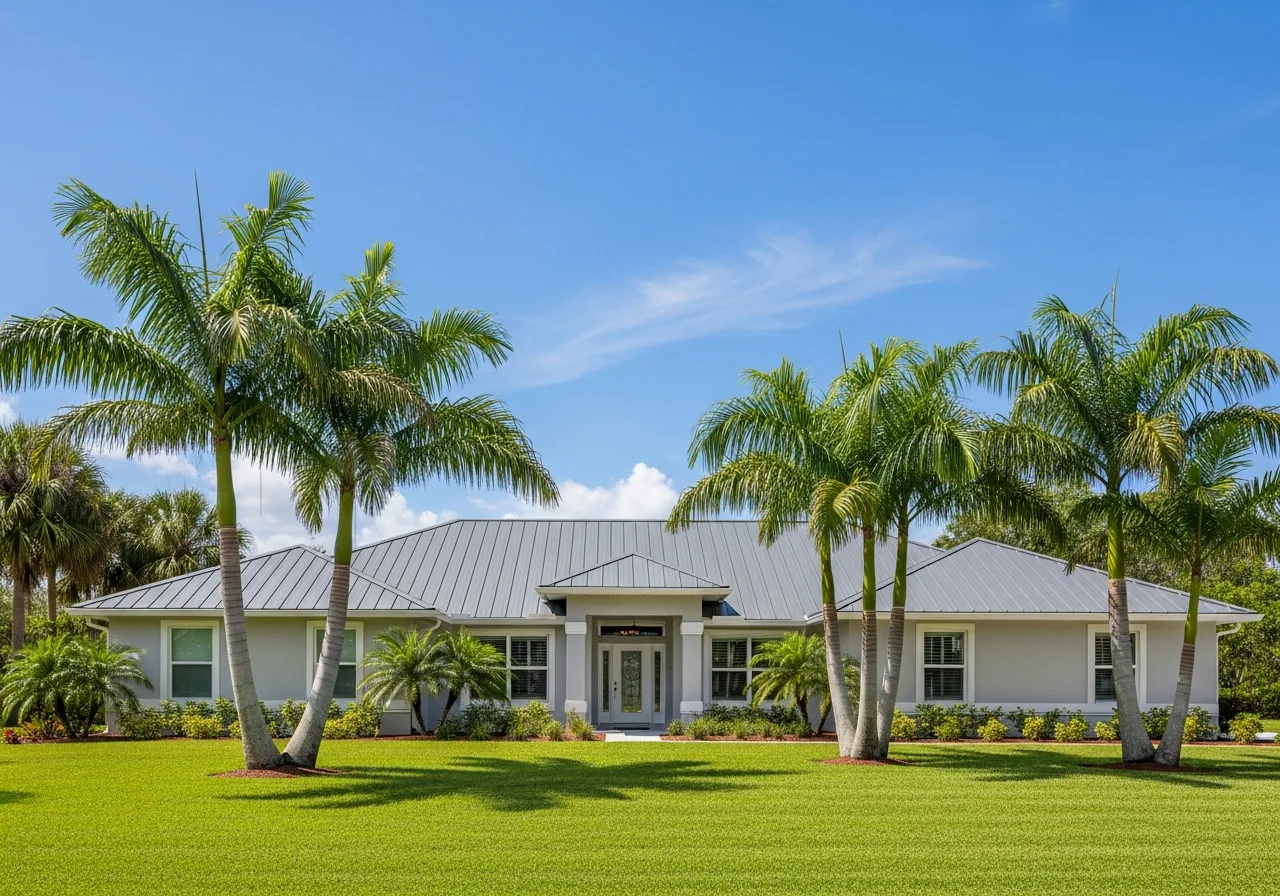
The Heavyweights
5V: The Reliable Classic
5V panels get their name from the five crisp V-shaped grooves crimped across each panel, with two along the edges and one down the middle. They're screwed straight down through the face of the panel, so the fasteners are visible.
Think of 5V as the dependable pickup truck of metal roofing: no frills, just gets the job done and does it well. It's the most budget-friendly metal roof you can put on a Southwest Florida home, with that classic ribbed look that suits everything from Old Florida cottages to canal-front homes.
It stands up beautifully to our wind and rain, and it's a favorite for homeowners who want serious storm protection without the premium price tag.
Standing Seam: The Showstopper
Standing seam panels are flat with raised seams that interlock and "stand up" between panels, with no visible screws anywhere. The fasteners hide underneath in concealed clips, protected from sun, salt, and rain for the life of the roof.
This is the roof that turns heads on a drive down Cape Coral Parkway. Clean vertical lines, a sleek modern profile, and about as close to "install it and forget it" as roofing gets.
Because there's nothing exposed for our humidity and salt air to attack, standing seam roofs tend to go the distance with barely any maintenance.
Comparing Profiles & Finishes
See the visual difference between the profiles and finishes. These represent common configurations installed across Southwest Florida.
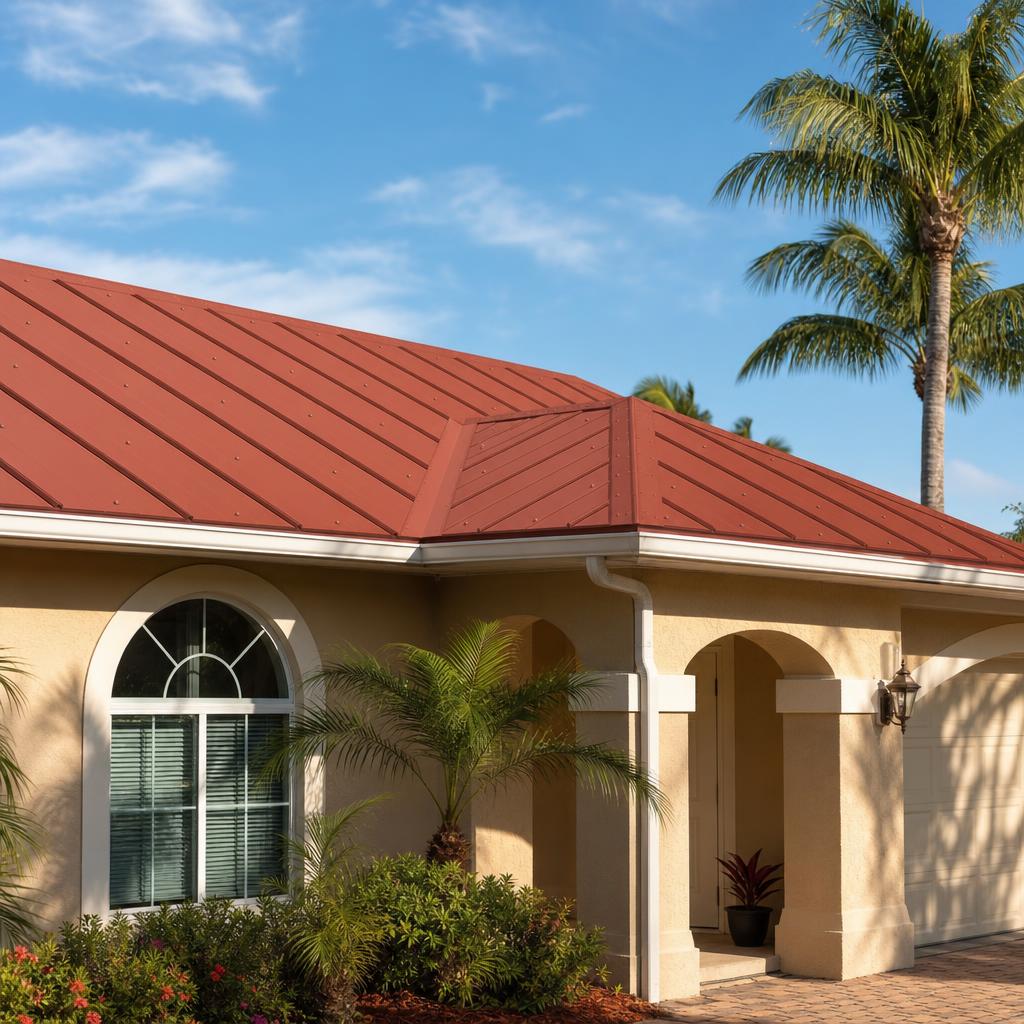
Painted Finish
Classic V-groove ribs finished with a durable, fade-resistant baked-on coating. Brings color and extra corrosion protection to the reliable 5V profile.
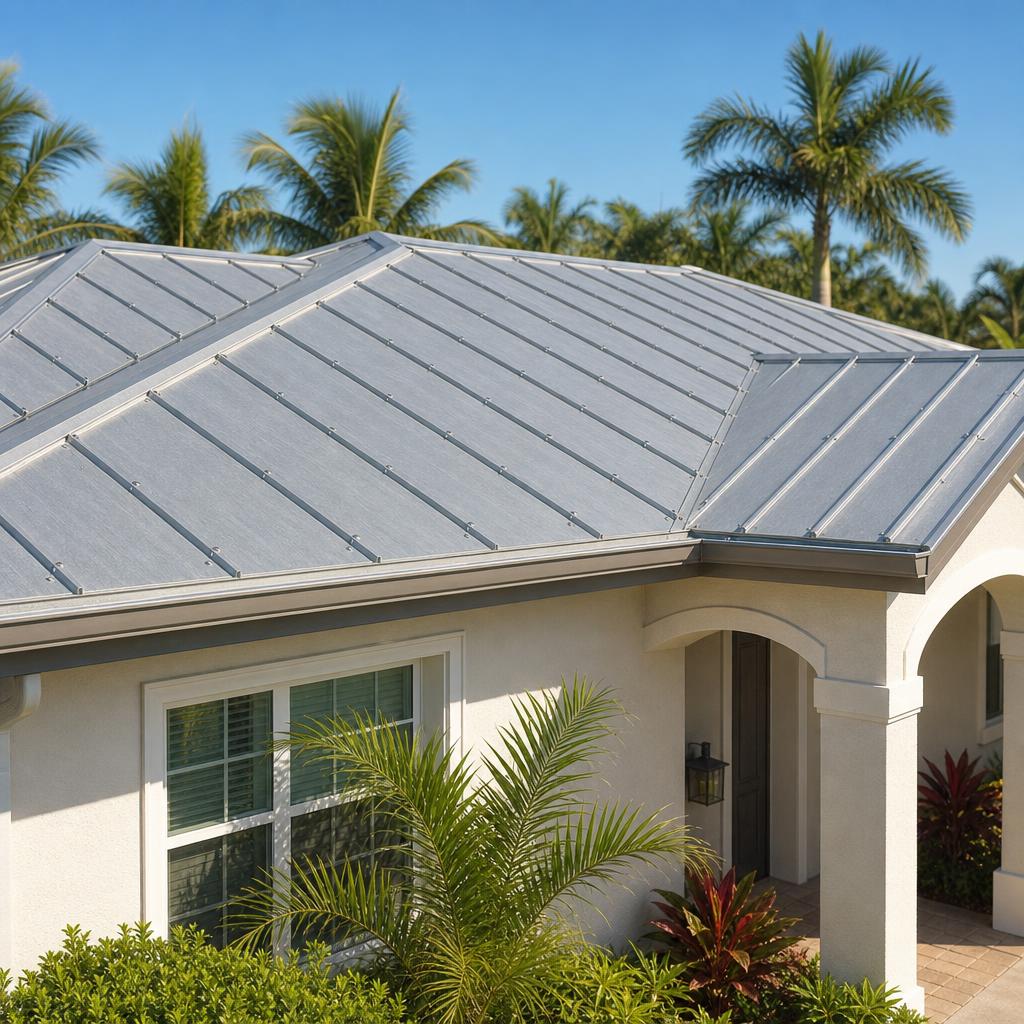
Mill Finish
The traditional, unpainted silver look. It’s tough and budget-friendly, showing off the raw metal while providing excellent storm protection.
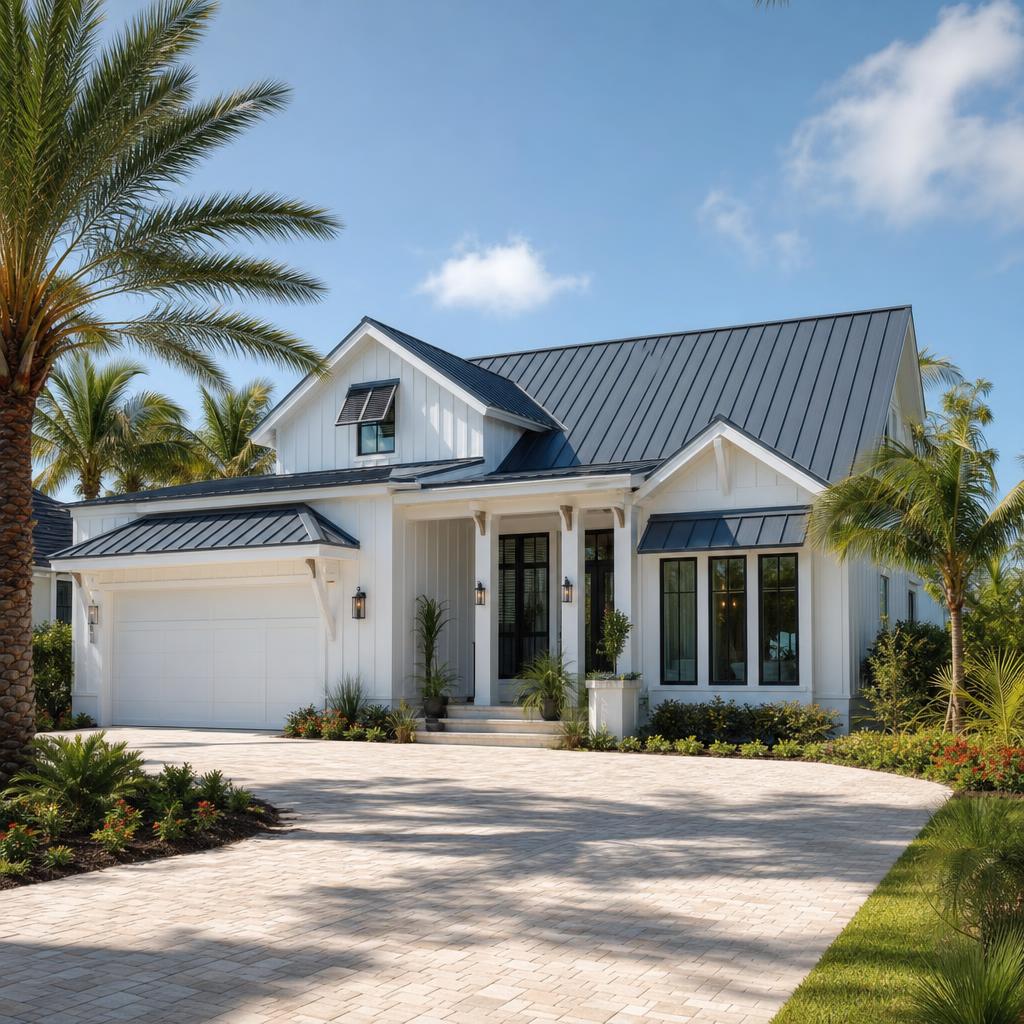
Painted Finish
Sleek, hidden-fastener panels coated in premium paint. Offers top-tier aesthetics, maximum weather defense, and virtually no maintenance.
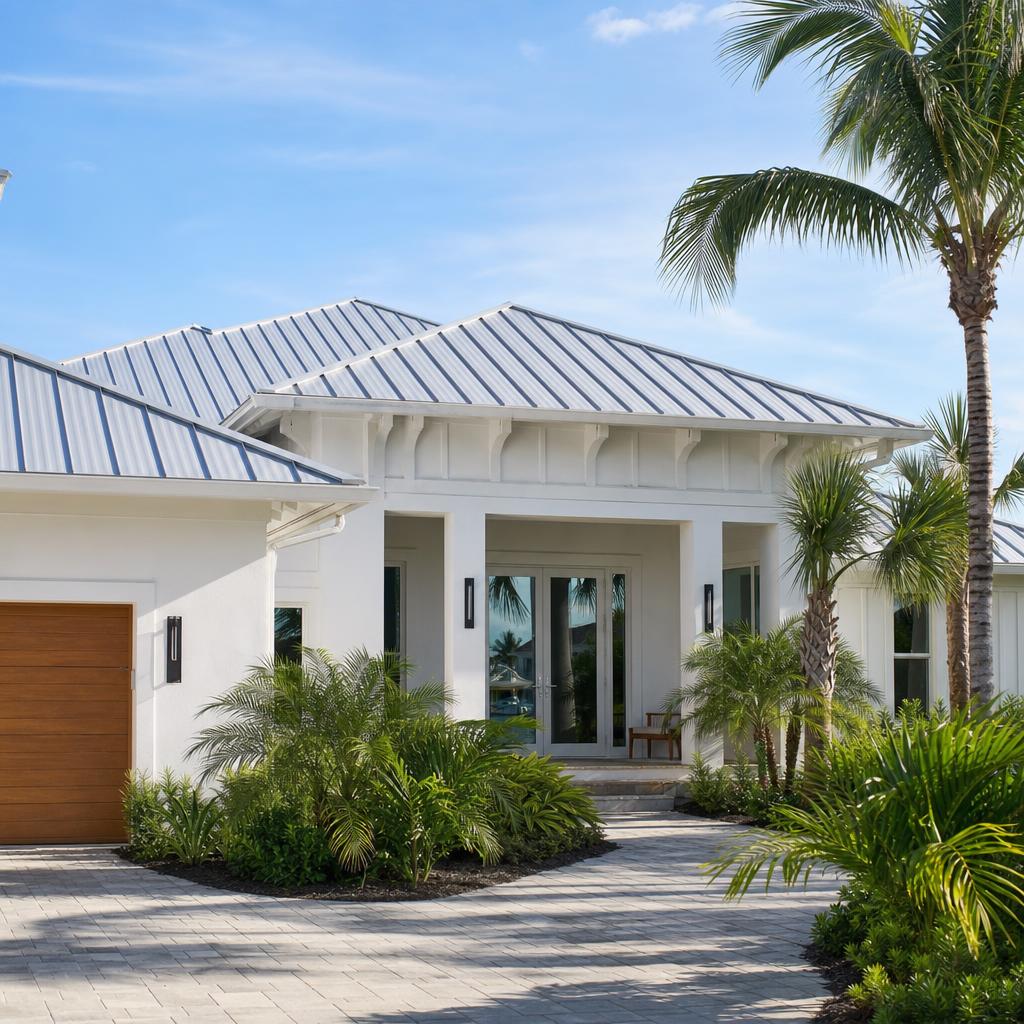
Mill Finish
Clean vertical lines in bare metal. A modern architectural look that provides the superior durability of hidden fasteners with a more industrial finish.
Photos are representative examples of these materials and finishes; they do not depict specific V&M Roofing projects.
"Whether it's 5V or standing seam, painted or mill finish, we'll help you land on the roof that fits your home, your budget, and this beautiful, brutal Southwest Florida weather."
Why Metal Wins Over Shingles Down Here
Asphalt shingles just don't love our climate. Between the UV intensity, the humidity, and the wind events that roll through most summers, shingle roofs in Southwest Florida tend to show their age fast. Metal, on the other hand, was basically made for this:
Outlasts Shingles by Decades
A metal roof can go 40-plus years, while shingle roofs in our climate often need replacing every 15-20.
Laughs at Wind
Properly installed metal roofing, especially standing seam, holds up to serious hurricane-force winds that would send shingle tabs flying.
Keeps Your House Cooler
Metal reflects the sun instead of soaking it up, which means your AC doesn't have to work as hard through our long, hot summers.
Helps Your Insurance Bill
Impact-rated metal roofs often qualify for premium discounts in Florida's high-wind zones, a nice bonus on top of everything else.
Shrugs Off Salt Air
With the right finish, metal resists the corrosion that eats away at other materials near the coast.
Painted vs. Mill Finish: Does It Matter Here?
It does, especially this close to the Gulf. A mill finish panel is bare, unpainted metal with a natural silvery-gray look, budget-friendly and tough, but it's facing our salt air with no extra armor.
A Kynar 500 painted finish is a different story. It's a baked-on coating that locks in color for decades and shrugs off UV fading, chalking, and salt corrosion, exactly the conditions Southwest Florida throws at a roof year-round. It costs a bit more, but it comes backed by paint warranties that often run 30 to 40 years, plus you get to actually pick a color that matches your home instead of settling for bare metal gray.
Our Take for Coastal SWFL Homes
If you can swing it, Kynar-painted panels are worth the upgrade, especially on standing seam roofs, where the two are practically a package deal. Mill finish still holds up fine, and it's a smart move for homeowners watching the budget or building a bit further inland.
Found this guide helpful?
Save it for your own research or send it to a neighbor who's planning a roof replacement.